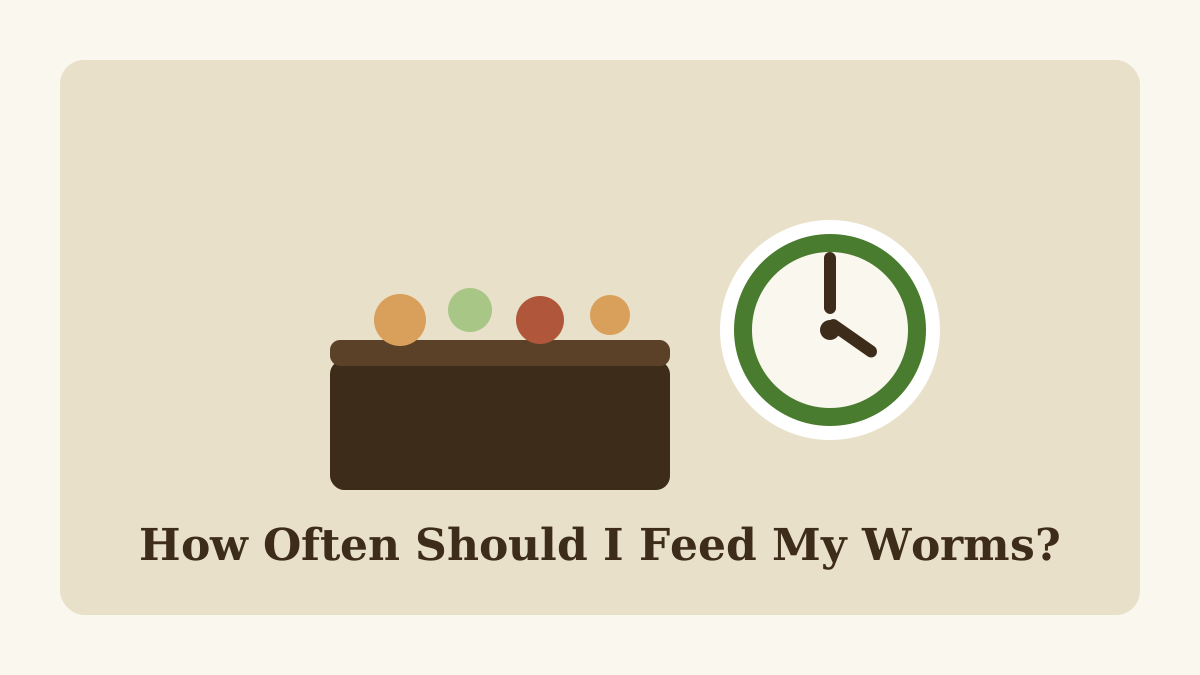
Illustration of a worm bin with food scraps and a clock, showing how often to feed worms

How Often Should I Feed My Worms?

How often to feed worms? Feed when the last feeding is gone. For a new bin, that means once or twice a week. For a settled bin with 1 lb of red wigglers, about 1,000 worms, it means every 2 to 3 days. The worms set the schedule, not the calendar. The most common beginner […]
Read more →

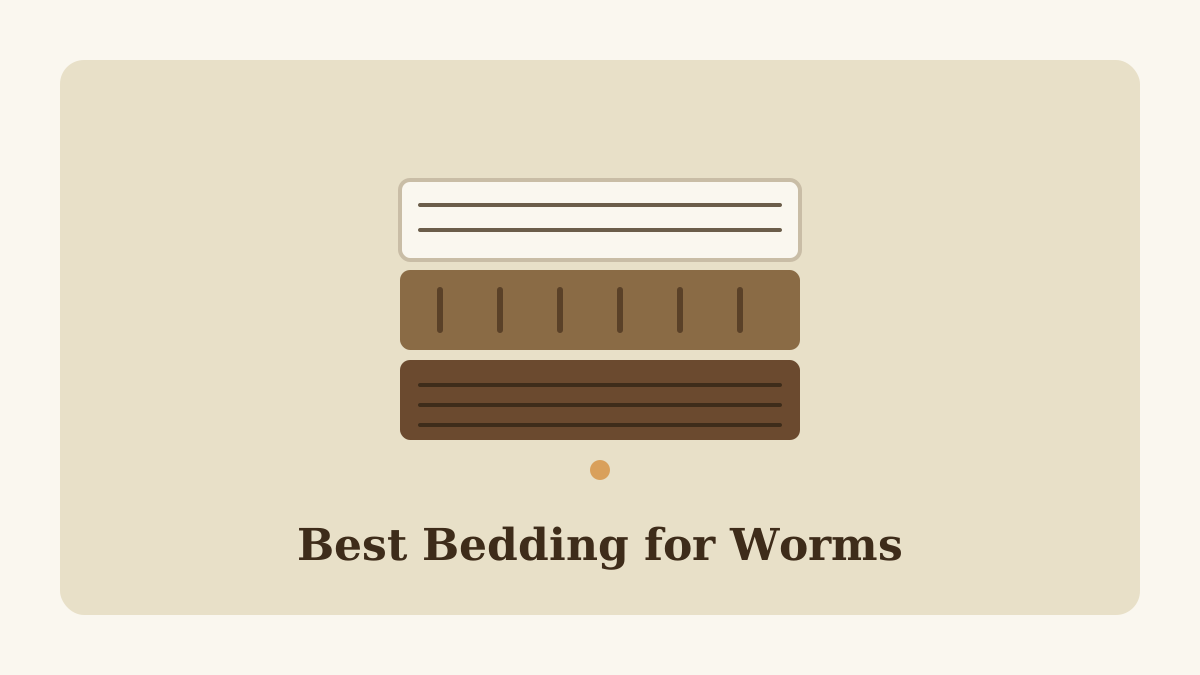
best bedding for worm bin

Best Bedding for a Worm Bin (Newspaper vs Cardboard vs Coir)

Best bedding for worm bin beginners is shredded newspaper: free, soaks up water fast, easy to shred, and worms eat it happily. Cardboard is the runner-up — more air, lasts longer, but harder to tear up. Coconut coir holds the mix together, but costs money and holds less air. Bedding is not just stuffing. It […]

Read more →

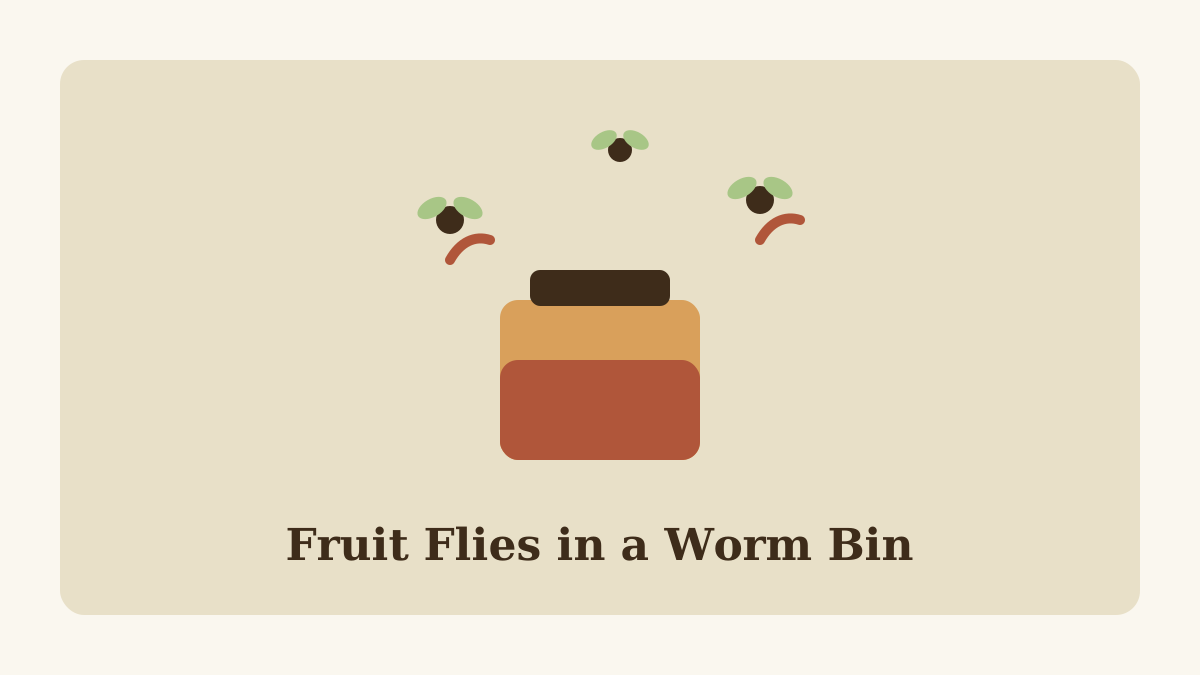
fruit flies in worm bin

Fruit Flies in a Worm Bin: How to Get Rid of Them

Fruit flies in worm bin setups are the most annoying problem a new worm keeper faces, and they are also one of the easiest to fix. The short answer: bury every feeding deep under the bedding, add a thick dry layer on top, and set a vinegar trap beside the bin to catch the adults. […]

Read more →

worm bin too wet

Worm Bin Too Wet? How to Fix It

Worm bin too wet is a common beginner problem, and easy to fix. A worm bin should feel like a wrung-out sponge — damp, not dripping. If yours is soggy, smells sour, or has water pooling at the bottom, add dry shredded newspaper, stop wet food for a few days, and leave the lid ajar […]

Read more →

why does my worm bin smell

Why Does My Worm Bin Smell? (Causes + Fixes)

Why does my worm bin smell? A healthy worm bin smells like damp earth — almost nothing at all. If yours smells sour, sharp, or rotten, it is almost always one of three things: too much food, too little bedding, or no airflow. The fix works in about three days: stop feeding, add dry bedding, […]

Read more →

Worm castings being harvested from a worm bin with a young seedling growing in dark compost

Worm Castings: How to Harvest and Use Them

How to harvest worm castings is the question every new worm keeper asks at about two months in, when the bin turns dark and crumbly. The short answer: wait 60 to 90 days, move everything to one side, fill the empty side with fresh damp bedding, and harvest the old side over the next two […]

Read more →

How Many Worms Do I Need?

How many worms do I need? For most households, start with 1 lb of red wiggler worms, about 1,000 worms. That suits a 1 to 2 person household producing about half a pound of worm-safe scraps a day. If you produce 1 lb of scraps a day, you need 2 lb of worms, about 2,000 […]

Read more →

How to Set Up a Worm Bin (DIY Tote, Under $30)

How to set up a worm bin in about 30 minutes for under $30, not counting the worms. You need a 10 to 18 gallon plastic tote with a lid, a drill, shredded newspaper and cardboard for bedding, and a shallow tray to catch drips. Add 1 lb of red wigglers, wait a day, and […]

Read more →

What to Feed Worms (and What Never to Feed)

What to feed worms is the first question every beginner asks: feed worms fruit and vegetable scraps, coffee grounds, crushed eggshells, and plain bread. Never feed meat, dairy, oil, or pet waste. Feed half a cup at a time, bury it under the bedding, and cover it with three parts bedding to one part food. […]

Read more →

Red wigglers, the best worms for vermicomposting

Best Worms for Vermicomposting (Red Wigglers)

The best worms for vermicomposting are red wigglers, Eisenia fetida. They live in the top few inches of rich, damp material, eat constantly, and tolerate being crowded together. Buy 1 lb, about 1,000 worms, for $20 to $40. Garden earthworms are the wrong choice — they are deep burrowers, and they die in a shallow […]

Read more →

☎ Book Now